 1 hour ago
Introduction
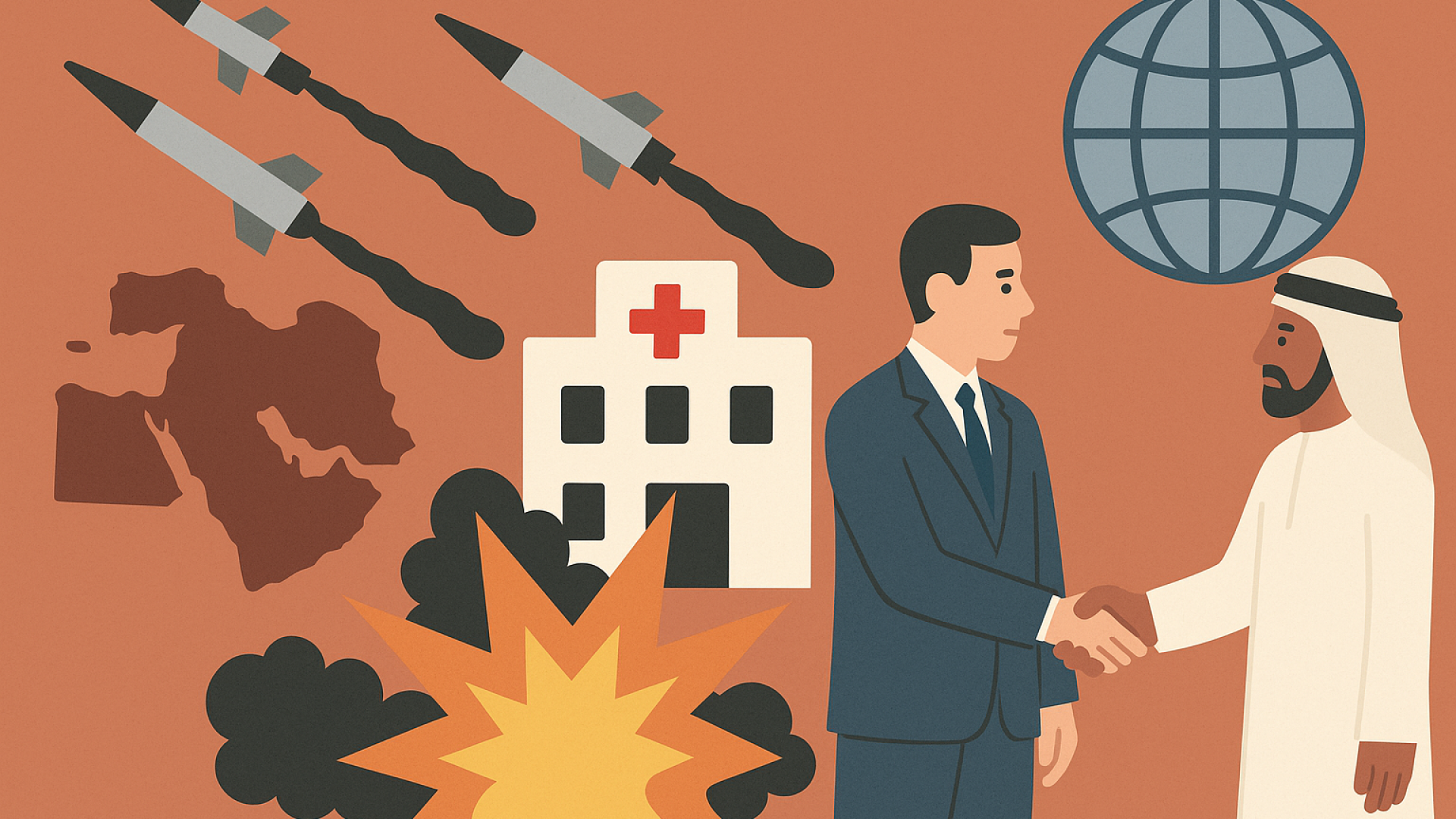
As of March 2026, the Middle East is witnessing a significant escalation in conflict marked by Iranian missile strikes and a tragic attack on a hospital in Sudan. These events have intensified regional instability and drawn sharp reactions from global powers. The complex interplay of political, sectarian, and strategic factors continues to fuel tensions, making the situation increasingly volatile. This article explores the context, core developments, implications, and potential pathways toward resolution in this volatile environment, aiming to provide a comprehensive understanding of the unfolding crisis.
Context: A Region on Edge
The Middle East has long been a focal point of geopolitical tension, with complex interplays of national interests, sectarian divides, and foreign interventions shaping its turbulent history. The region's strategic importance, rich natural resources, and diverse populations have made it a hotspot for conflicts that often reverberate globally. In recent years, intermittent flare-ups have occurred, but the current wave of violence signals a dangerous intensification that threatens to destabilize the broader region.
Iran, a key regional actor, has been under increasing pressure from the United States and its allies, particularly concerning its nuclear program and expanding regional influence. The country's strategic posture is shaped by its desire to assert dominance in the Persian Gulf and counterbalance rival powers such as Saudi Arabia and Israel. The Strait of Hormuz, a narrow waterway through which approximately 20% of the world's petroleum passes, has become a flashpoint. Iran has repeatedly threatened to close the strait in response to perceived aggression, raising alarms about potential disruptions to global energy supplies.
Meanwhile, Sudan, a nation grappling with internal conflicts and political instability following years of civil war and recent coups, has become an unintended stage for violence affecting civilians. The fragile security situation has allowed armed groups and rival factions to operate with relative impunity, leading to attacks on critical infrastructure such as hospitals. These incidents highlight the spillover effects of regional instability and the challenges of protecting vulnerable populations amid ongoing turmoil.
Core Developments
Iranian Missile Strikes
In recent weeks, Iran has launched a series of missile strikes targeting strategic locations across the region. These strikes are widely interpreted as a demonstration of Tehran's military capabilities and a warning to its adversaries. The attacks reportedly serve as retaliation against threats from the United States, particularly statements made by former President Donald Trump, who warned of potential attacks on Iranian energy facilities if Iran proceeded to close the Strait of Hormuz.
The missile strikes have significantly heightened fears of a broader military confrontation. Regional allies on both sides—those aligned with Iran and those supporting the U.S.—have begun mobilizing forces and increasing their readiness, raising the specter of a wider conflict. The Islamic Revolutionary Guard Corps (IRGC) has declared its readiness to fully close the Strait of Hormuz if provoked, a move that would have severe implications for global energy markets and international security.
Sudan Hospital Attack
In a tragic and deeply concerning development, a hospital in Sudan was attacked amid ongoing clashes between rival factions. The assault resulted in significant casualties, including patients and medical staff, and has drawn widespread condemnation from humanitarian organizations and governments worldwide. The hospital, a critical healthcare provider in the region, was reportedly hit during intense fighting, underscoring the vulnerability of civilian infrastructure in conflict zones.
This attack not only exacerbates the already dire humanitarian situation in Sudan but also highlights the broader consequences of regional instability. The violence threatens to overwhelm local healthcare systems, displace populations, and hinder the delivery of essential aid. It serves as a stark reminder of the human cost of conflict and the urgent need for protective measures to safeguard civilians and critical services.
Global Reactions
The international community has responded with a mixture of concern, condemnation, and calls for restraint. The United Nations has issued statements urging all parties to cease hostilities and prioritize the protection of civilians. Various humanitarian organizations have mobilized resources to assist those affected by the violence, particularly in Sudan, where the healthcare infrastructure is under severe strain.
Major powers, including the United States, Russia, China, and European nations, have expressed apprehension about the potential for the conflict to escalate further. Diplomatic channels are reportedly active, with efforts underway to facilitate dialogue and reduce tensions. These powers emphasize the importance of negotiation and warn against actions that could trigger a wider regional war, which would have devastating consequences for global stability.
Implications of the Conflict
The ongoing conflict in the Middle East carries profound implications that extend beyond the immediate region, affecting global stability, energy security, and humanitarian conditions.
- Regional Stability: The escalation risks drawing neighboring countries into the conflict, potentially igniting broader sectarian and political rivalries. Countries such as Saudi Arabia, Israel, Turkey, and the Gulf states may find themselves compelled to take sides, increasing the complexity and scale of the conflict.
- Global Energy Security: The Strait of Hormuz is a critical artery for oil exports, with nearly one-fifth of the world's petroleum passing through it daily. Any disruption could lead to significant spikes in global oil prices, impacting economies worldwide and potentially triggering inflationary pressures and economic slowdowns.
- Humanitarian Impact: Attacks on civilian infrastructure like hospitals exacerbate humanitarian crises, displacing populations and straining aid resources. The destruction of healthcare facilities undermines the capacity to treat the wounded and manage disease outbreaks, compounding the suffering of affected communities.
- Geopolitical Alignments: The conflict may realign alliances and influence power balances in the Middle East and beyond. Countries may reassess their strategic positions, leading to shifts in diplomatic relations, military partnerships, and economic ties.
Potential Solutions and Pathways Forward
Addressing the escalating conflict requires a multifaceted approach involving diplomacy, conflict resolution, and humanitarian support. The complexity of the situation demands coordinated efforts from regional actors, global powers, and international organizations.
Diplomatic Engagement
Renewed diplomatic efforts are essential to reduce tensions and prevent further violence. This includes initiating direct talks between Iran and the United States, potentially facilitated by neutral parties such as the United Nations or countries with balanced relations in the region. These discussions should aim to address core security concerns, establish communication channels to avoid miscalculations, and explore frameworks for de-escalation.
Regional Cooperation
Encouraging dialogue among Middle Eastern countries can help build confidence and establish mechanisms to manage disputes peacefully. Regional organizations like the Arab League and the Gulf Cooperation Council (GCC) could play pivotal roles in fostering cooperation and mediating conflicts. Confidence-building measures, joint security initiatives, and economic collaboration may contribute to reducing hostilities and promoting stability.
Protecting Civilians
International organizations must prioritize the protection of civilian infrastructure and provide humanitarian aid to affected populations, particularly in conflict zones like Sudan. This includes deploying monitoring missions, supporting medical facilities, and ensuring safe corridors for aid delivery. Strengthening international legal frameworks and accountability mechanisms can also deter attacks on civilians and promote respect for humanitarian norms.
Economic Measures
Stabilizing global energy markets through diversified supply routes and strategic reserves can mitigate the impact of potential disruptions in the Strait of Hormuz. Investments in alternative energy sources, increased production in other oil-producing regions, and enhanced energy efficiency can reduce global dependence on vulnerable chokepoints. Coordinated international efforts to manage energy supplies will be crucial in maintaining economic stability.
Conclusion
The current escalation in the Middle East, marked by Iranian missile strikes and the Sudan hospital attack, underscores the fragility of peace in a region long plagued by conflict. The intertwining of local, regional, and global factors complicates efforts to achieve lasting stability. While the situation remains volatile and unpredictable, concerted international efforts focused on diplomacy, regional cooperation, and humanitarian support offer the best hope for de-escalation and stability. The global community must remain vigilant and proactive to prevent further deterioration and to safeguard the lives and livelihoods of millions affected by this conflict. Only through sustained engagement and a commitment to peaceful resolution can the cycle of violence be broken and a more secure future for the Middle East be realized.